Ancient Medicine

Ancient medicine relied on herbs, minerals, and spiritual practices. Systems like Ayurveda and Chinese medicine focused on balance and prevention.
Medieval Medicine

Pharmacies and hospitals emerged. Knowledge was documented, preserved, and expanded.
Industrial Revolution

Chemical synthesis enabled mass production of standardized medicines.
Modern Pharmaceuticals
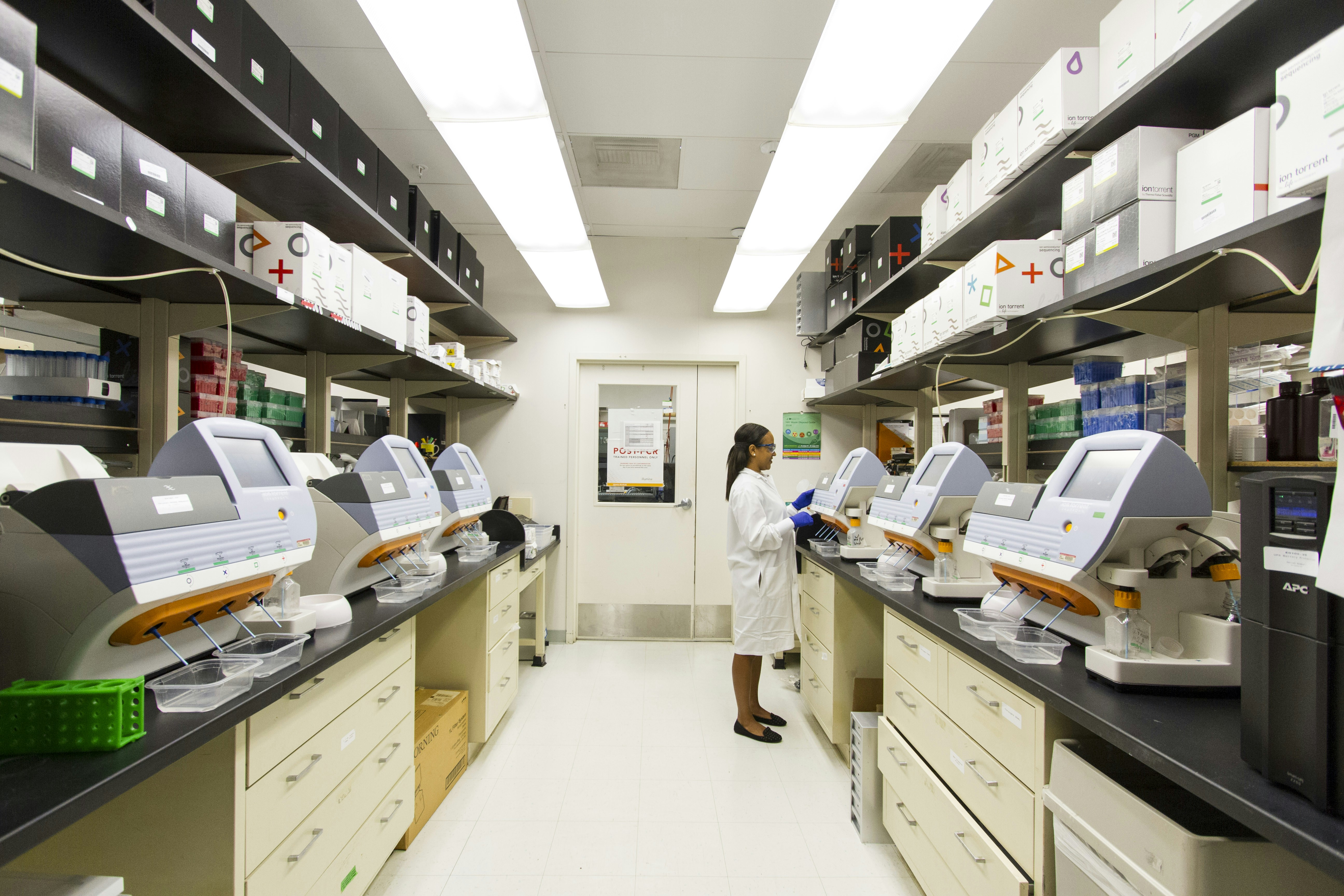
Evidence-based medicine, clinical trials, and regulations define this era.
Future of Medicine

AI, gene therapy, digital health, and preventive care will dominate the future.
Comparison: Ancient to Future Medicine
| Era | Core Approach | Advantages | Disadvantages |
|---|---|---|---|
| Ancient Medicine | Natural herbs, observation, holistic balance |
• Natural & affordable • Preventive focus • Minimal chemical side effects |
• No scientific testing • Inconsistent results • Limited emergency care |
| Medieval Medicine | Early pharmacies, written texts, experimentation |
• Knowledge preservation • Standardized formulations • Birth of hospitals |
• Limited technology • Poor hygiene understanding • High mortality rates |
| Industrial Medicine | Chemical synthesis & mass production |
• Scalable medicines • Antibiotics & vaccines • Increased life expectancy |
• Side effects • Overuse of chemicals • Environmental impact |
| Modern Medicine | Evidence-based, regulated, precision medicine |
• High success rates • Advanced diagnostics • Chronic disease control |
• High costs • Drug dependency • Accessibility gaps |
| Future Medicine | AI, genetics, personalized & preventive care |
• Early disease prediction • Personalized treatment • Reduced long-term costs |
• Ethical concerns • Data privacy risks • Technology dependence |